Introduction
The logistics industry plays a critical role in global business by connecting manufacturers, suppliers, retailers, and customers. However, increasing customer expectations, rising operational costs, and complex supply chains have created a need for smarter and more efficient logistics solutions.
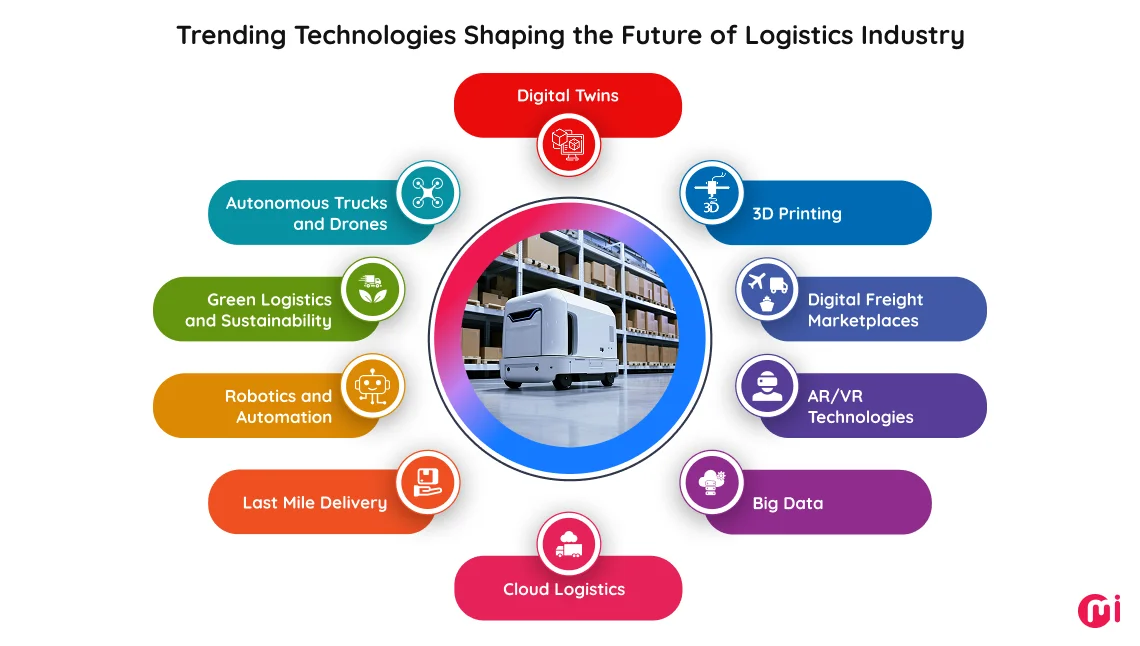
In 2026, technology has become a major factor in transforming logistics operations. Businesses are adopting advanced technologies such as Artificial Intelligence (AI), Internet of Things (IoT), cloud computing, automation, blockchain, and data analytics to improve transportation, warehouse management, tracking, and delivery processes.
Modern customers expect faster deliveries, real-time tracking, accurate information, and seamless service experiences. Logistics companies that adopt digital solutions can improve efficiency, reduce costs, optimize resources, and gain a competitive advantage.
Technology is helping logistics businesses move from traditional manual processes to intelligent, automated, and data-driven operations. Smart logistics solutions enable companies to monitor shipments, predict demand, optimize routes, and improve overall supply chain performance.
Companies looking to modernize their logistics operations often invest in Custom Software Development Services to build customized logistics management systems, tracking platforms, warehouse solutions, and automation tools designed according to their specific business requirements.
What Is Logistics Technology?
Logistics technology refers to the use of digital tools and advanced technologies to improve the movement, storage, and management of goods.
It helps businesses manage:
- Transportation operations
- Warehouse activities
- Inventory management
- Shipment tracking
- Supply chain planning
- Customer communication
- Delivery processes
The main objective of logistics technology is to improve speed, accuracy, transparency, and efficiency throughout the supply chain.
Why Technology Is Important in Logistics
The logistics industry faces several challenges, including increasing delivery demands, complex supply chains, and rising operational expenses.
Technology helps logistics companies:
- Reduce delivery time
- Improve shipment visibility
- Optimize transportation routes
- Reduce operational costs
- Automate manual tasks
- Improve customer satisfaction
- Make better business decisions
Digital transformation allows logistics companies to operate more efficiently and respond quickly to changing market conditions.
Top Logistics Technology Trends in 2026
1. Artificial Intelligence in Logistics
Artificial Intelligence is one of the most powerful technologies transforming logistics operations.
AI helps businesses analyze large amounts of data and make intelligent decisions.
AI applications in logistics include:
- Route optimization
- Demand forecasting
- Automated customer support
- Predictive maintenance
- Delivery planning
- Supply chain optimization
For example, AI-powered systems can analyze traffic conditions, weather information, and delivery schedules to suggest the fastest delivery routes.
AI also helps businesses predict customer demand, allowing them to maintain optimal inventory levels.
2. Internet of Things (IoT) in Logistics
IoT technology connects physical devices, vehicles, and equipment through sensors and communication networks.
In logistics, IoT helps monitor:
- Vehicle locations
- Shipment conditions
- Temperature levels
- Warehouse operations
- Fuel consumption
IoT-enabled tracking provides real-time visibility into logistics operations and helps businesses prevent delays or losses.
For industries such as food, pharmaceuticals, and manufacturing, IoT monitoring ensures products remain within required conditions during transportation.
3. Cloud-Based Logistics Management Systems
Cloud computing has become an essential technology for modern logistics companies.
Cloud-based logistics platforms provide:
- Real-time data access
- Secure storage
- Remote management
- Easy scalability
- Better collaboration
Companies can manage transportation, inventory, and warehouse operations from a centralized cloud platform.
Cloud solutions help logistics businesses improve flexibility and reduce dependency on traditional infrastructure.
4. Warehouse Automation
Warehouse operations are becoming increasingly automated through advanced technologies.
Automation solutions include:
- Robotic systems
- Automated storage systems
- Smart inventory tracking
- Automated sorting systems
- AI-powered warehouse management
Benefits include:
- Faster order processing
- Reduced human errors
- Improved inventory accuracy
- Increased productivity
Smart warehouses allow businesses to handle higher order volumes efficiently.
5. Real-Time Shipment Tracking
Customers today expect complete visibility into their deliveries.
Real-time tracking technology provides:
- Live shipment updates
- Delivery status notifications
- Estimated arrival times
- Location tracking
Tracking systems improve transparency and customer trust while helping businesses manage delivery operations more effectively.
6. Blockchain Technology in Supply Chain
Blockchain technology is improving transparency and security in logistics operations.
Blockchain provides:
- Secure transaction records
- Better supply chain visibility
- Fraud prevention
- Improved documentation
- Faster verification processes
It helps different parties in the supply chain share accurate information securely.
7. Transportation Management Systems (TMS)
Transportation Management Systems help businesses plan, execute, and optimize transportation activities.
A TMS platform helps manage:
- Route planning
- Carrier selection
- Freight management
- Delivery scheduling
- Cost analysis
These systems improve transportation efficiency and reduce unnecessary expenses.
8. AI & Cloud Solutions in Logistics
Artificial Intelligence and cloud computing are becoming essential technologies for creating smarter and more efficient logistics operations.
AI helps logistics companies analyze complex data, improve decision-making, automate processes, and predict future trends. Cloud technology provides the infrastructure needed to store, manage, and access large amounts of operational data securely.
Modern logistics companies implementing AI & Cloud Solutions can improve:
- Real-time shipment monitoring
- Route optimization
- Demand forecasting
- Warehouse automation
- Supply chain visibility
- Automated decision-making
Cloud-based logistics platforms allow companies to manage operations from multiple locations while maintaining data security and scalability. AI-powered analytics help businesses reduce delays, improve delivery performance, and create more efficient supply chains.
9. Predictive Analytics in Logistics
Predictive analytics is changing how logistics companies plan and manage operations.
By analyzing historical and real-time data, predictive analytics helps businesses forecast future events and make better decisions.
Applications include:
- Predicting customer demand
- Forecasting delivery times
- Identifying potential delays
- Planning inventory levels
- Optimizing transportation costs
Predictive analytics allows logistics companies to move from reactive decision-making to proactive planning.
For example, businesses can identify possible equipment failures before they happen and schedule maintenance at the right time.
10. Autonomous Vehicles and Delivery Drones
Autonomous technology is becoming an important trend in the future of logistics.
Self-driving vehicles and delivery drones have the potential to improve delivery speed and reduce transportation costs.
Applications include:
- Last-mile delivery
- Warehouse transportation
- Automated freight movement
- Remote area deliveries
Benefits include:
- Faster deliveries
- Reduced operational costs
- Improved efficiency
- Increased delivery capacity
Although widespread adoption requires regulatory approval and infrastructure development, autonomous logistics solutions are expected to grow significantly in the coming years.
11. Digital Supply Chain Transformation
Modern supply chains are becoming more connected through digital technologies.
Digital supply chain solutions help businesses manage:
- Suppliers
- Inventory
- Transportation
- Warehouses
- Customer demand
A connected supply chain provides better visibility and allows businesses to respond quickly to market changes.
Benefits include:
- Improved collaboration
- Reduced supply chain risks
- Better inventory control
- Faster decision-making
- Increased operational efficiency
Digital transformation helps organizations create flexible and resilient supply chain networks.
12. Robotics in Logistics Operations
Robotics technology is improving warehouse and transportation operations.
Robots are used for:
- Picking and packing products
- Sorting packages
- Moving goods
- Managing warehouse inventory
Robotic systems improve:
- Accuracy
- Speed
- Productivity
- Workplace safety
By automating repetitive tasks, logistics companies can handle larger volumes of orders while reducing operational challenges.
13. Mobile Applications for Logistics Management
Mobile technology has become an important part of logistics management.
Mobile applications help businesses and customers access logistics information anytime.
Features include:
- Shipment tracking
- Driver communication
- Delivery updates
- Digital proof of delivery
- Inventory monitoring
Mobile apps improve communication between drivers, warehouse teams, customers, and management.
They also help companies provide better customer service through faster updates and transparent delivery information.
14. Cybersecurity in Logistics Technology
As logistics systems become more connected, cybersecurity has become a major priority.
Logistics companies manage sensitive information related to:
- Customer details
- Shipment records
- Business operations
- Financial transactions
- Supply chain data
Security solutions include:
- Data encryption
- Secure authentication
- Network protection
- Regular security monitoring
- Access management
Strong cybersecurity practices protect logistics operations from cyber threats and maintain business continuity.
15. Benefits of Logistics Technology Solutions
Technology adoption provides several advantages for logistics businesses.
Improved Efficiency
Automation and intelligent systems reduce manual work and improve operational speed.
Better Visibility
Real-time tracking and analytics provide complete visibility into shipments and supply chain activities.
Reduced Costs
Optimized routes, automation, and better resource management help reduce operational expenses.
Enhanced Customer Experience
Faster deliveries, accurate tracking, and better communication improve customer satisfaction.
Better Decision-Making
Data-driven insights help businesses make smarter strategic decisions.
Increased Scalability
Digital platforms allow logistics companies to expand operations easily as business requirements grow.
Future of Logistics Technology
The future of logistics will continue to be shaped by advanced digital innovations.
Important future trends include:
Fully Automated Warehouses
Future warehouses will use advanced robotics, AI, and automation to manage operations with minimal human intervention.
Smart Supply Chains
Connected systems will provide real-time visibility across global supply networks.
AI-Based Logistics Planning
AI will improve forecasting, transportation management, and operational decision-making.
Green Logistics Technology
Technology will help companies reduce carbon emissions through optimized transportation and sustainable practices.
Advanced Tracking Systems
Future tracking solutions will provide even greater visibility and accuracy.
Challenges in Logistics Technology Adoption
Although logistics technology provides many benefits, businesses may face challenges during implementation.
High Implementation Costs
Advanced systems require investment in software, infrastructure, and employee training.
Integration With Existing Systems
Companies need proper planning to connect new technologies with existing logistics processes.
Data Security Risks
Connected systems require strong security measures to protect business information.
Employee Training
Workers need proper training to effectively use new digital tools.
Technology Maintenance
Regular updates and maintenance are necessary to ensure system performance.
With proper planning, logistics companies can successfully overcome these challenges and achieve digital transformation.
Frequently Asked Questions (FAQs)
1. What is logistics technology?
Logistics technology refers to digital tools and solutions that improve transportation, warehouse management, tracking, and supply chain operations.
2. How does AI improve logistics?
AI improves logistics through route optimization, demand forecasting, predictive maintenance, automated decision-making, and better resource management.
3. Why is cloud computing important for logistics companies?
Cloud computing provides secure data storage, scalability, real-time access, and better collaboration across logistics operations.
4. What are the benefits of smart logistics?
Smart logistics improves efficiency, reduces costs, increases transparency, enhances customer experience, and supports better decision-making.
5. What is the future of logistics technology?
The future includes AI-powered supply chains, autonomous vehicles, smart warehouses, robotics, and sustainable logistics solutions.
Conclusion
Logistics technology is transforming the way businesses manage transportation, warehouses, and supply chains. Technologies such as Artificial Intelligence, cloud computing, IoT, automation, blockchain, and analytics are helping companies create faster, smarter, and more efficient logistics operations.
In 2026, digital transformation has become essential for logistics businesses that want to improve customer satisfaction, reduce operational costs, and remain competitive. Modern customers expect faster deliveries, real-time tracking, and transparent communication, making technology adoption more important than ever.
However, successful implementation requires the right strategy, secure infrastructure, and continuous innovation. Companies must choose technology solutions that match their business goals and support long-term growth.
The future of logistics will be driven by intelligent systems, connected supply chains, and automated operations. Businesses that invest in logistics technology today will be better prepared to handle future challenges and opportunities in the global marketplace.
Technology is no longer just improving logistics—it is creating a smarter, faster, and more connected future for the entire supply chain industry.